Are Shrooms Legal?
The answer depends on which mushroom you’re talking about and where you live.
“Shrooms” usually refers to psychedelic mushrooms containing psilocybin, but the term is also used for products containing Amanita muscaria or other mushroom ingredients. These are not the same thing, and their legal status can be very different.
Psilocybin Mushrooms
Psilocybin mushrooms contain psilocybin and psilocin, psychedelic compounds that can significantly alter perception, mood, and thought.
In the United States, psilocybin and psilocin are federally classified as Schedule I controlled substances.
Some states and local jurisdictions have adopted different approaches, including limited decriminalization or regulated psychedelic programs. For example, Oregon has a regulated system allowing adults 21 and older to access psilocybin through licensed service centers. This does not mean psilocybin mushrooms are generally legal to buy and possess throughout the state.
What About Amanita Muscaria?
Amanita muscaria, commonly known as fly agaric, is a completely different mushroom. It does not contain psilocybin. Its primary psychoactive compounds are muscimol and ibotenic acid.
Amanita muscaria is not federally scheduled in the same way as psilocybin. However, that does not mean every Amanita product is legal.
The FDA has stated that Amanita muscaria, its extracts, and certain constituents—including muscimol and ibotenic acid—are not authorized as ingredients in conventional food.
This is particularly relevant to products such as Amanita gummies, chocolates, and drinks.
What About “Mushroom” Gummies and Supplements?
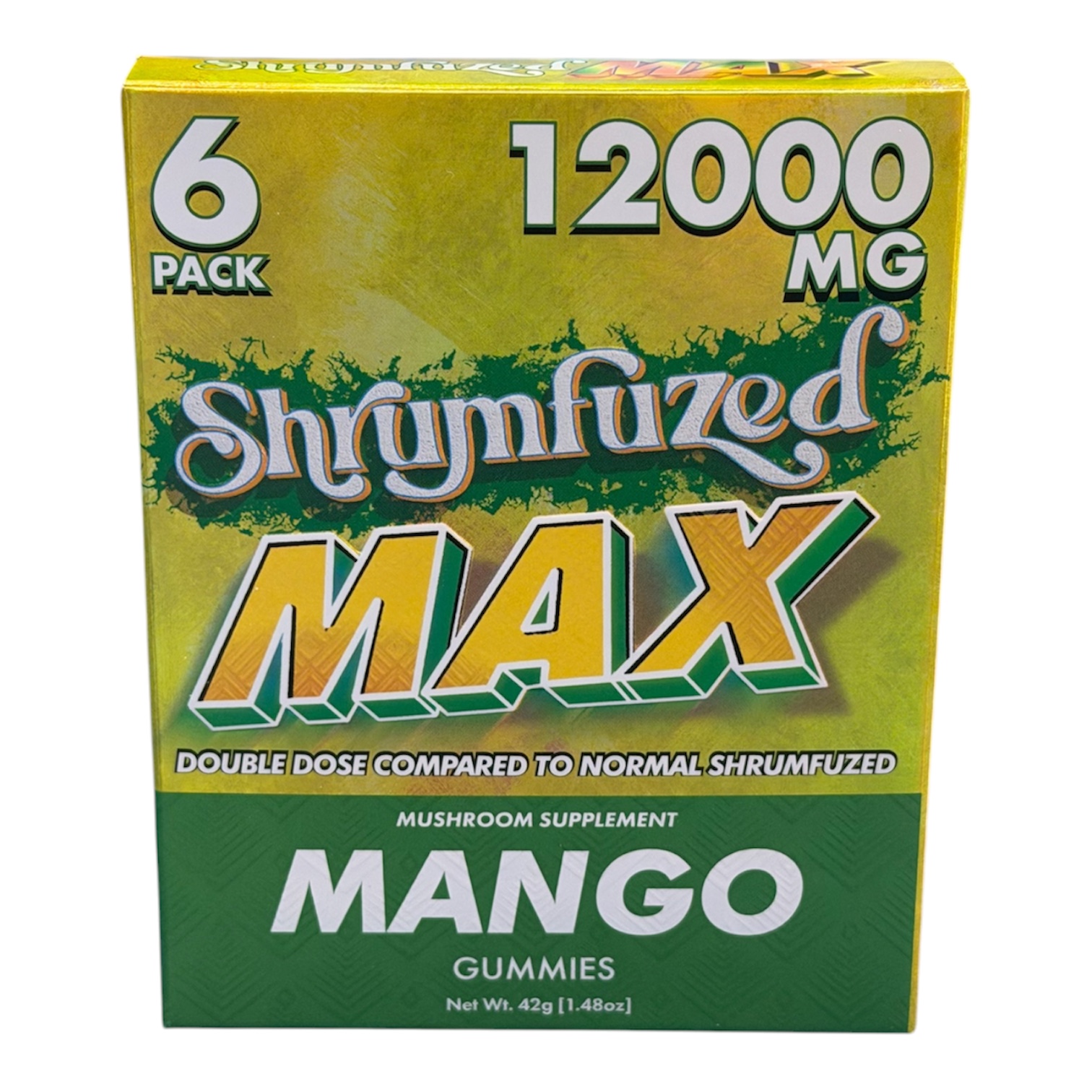
Be careful with products marketed as “mushroom gummies,” “legal shrooms,” or “psychedelic mushroom” products.
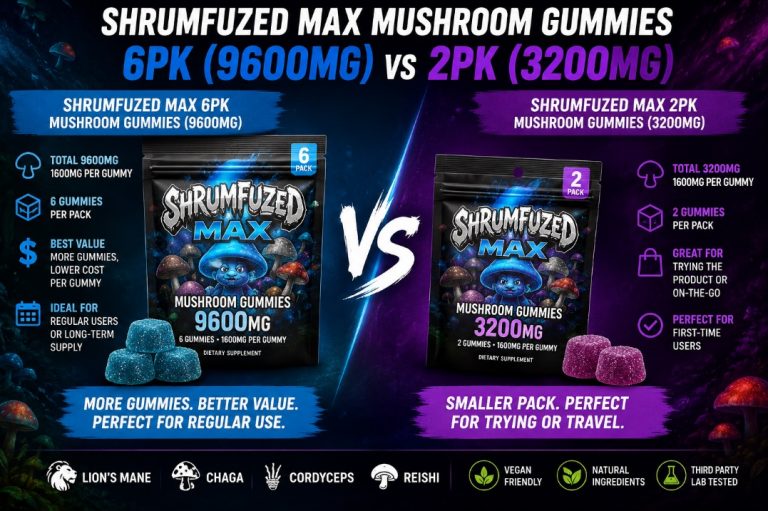
The word mushroom doesn’t tell you what’s actually in the product. Some contain functional mushrooms such as lion’s mane or reishi, while others may contain Amanita compounds or entirely different ingredients. It is important to buy from a reputable source. Hempire State Smoke Shop only provides top quality mushroom consumables.
A product being openly sold online or in a store does not automatically mean it is legal everywhere.
Decriminalization vs. Legalization
These terms aren’t interchangeable.
Legalization generally means an activity has been made lawful under specified conditions.
Decriminalization generally means certain conduct is no longer treated as a criminal offense or receives reduced enforcement or penalties. It does not necessarily create a legal market where people can buy the substance commercially.
This article is for general informational purposes and is not legal advice. Laws can change, so check current federal, state, and local rules before relying on this information.