
Changing 7-OH Laws: Where Policy, Science, and Public Opinion Collide
Laws surrounding 7-hydroxymitragynine (7-OH), a potent alkaloid in kratom (Mitragyna speciosa), have become central to debates over supplement safety and drug policy. As lawmakers reconsider regulation, science, public health concerns, and advocacy are shaping the discussion.
What Is 7-OH?
7-OH is one of kratom’s primary active compounds and is more potent at opioid receptors than mitragynine. Because of this potency, regulators often focus specifically on 7-OH when assessing safety and legality.
The Current Legal Landscape
Federally, kratom and its alkaloids are not scheduled under the Controlled Substances Act. However, the DEA and FDA have raised concerns about safety and addiction risk. In 2016, the DEA attempted to classify kratom’s alkaloids as Schedule I substances but withdrew after public opposition.
Regulation now varies by state. Alabama bans kratom, California allows it with some local limits, and Texas permits it while considering regulation. This patchwork system has prompted calls for clearer rules.
Why Laws Are Being Reconsidered
Public health concerns: Regulators cite contamination risks, inconsistent dosing, and potential dependence. The FDA has warned of possible harms, while the World Health Organization has encouraged further research rather than international scheduling.
Consumer advocacy: Supporters argue kratom may offer a harm-reduction alternative to opioids and favor regulation over prohibition, including age limits, manufacturing standards, and labeling requirements.
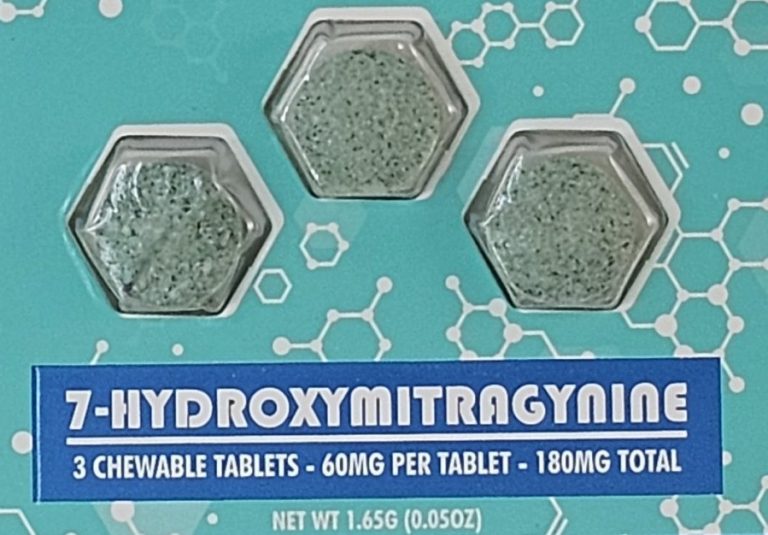
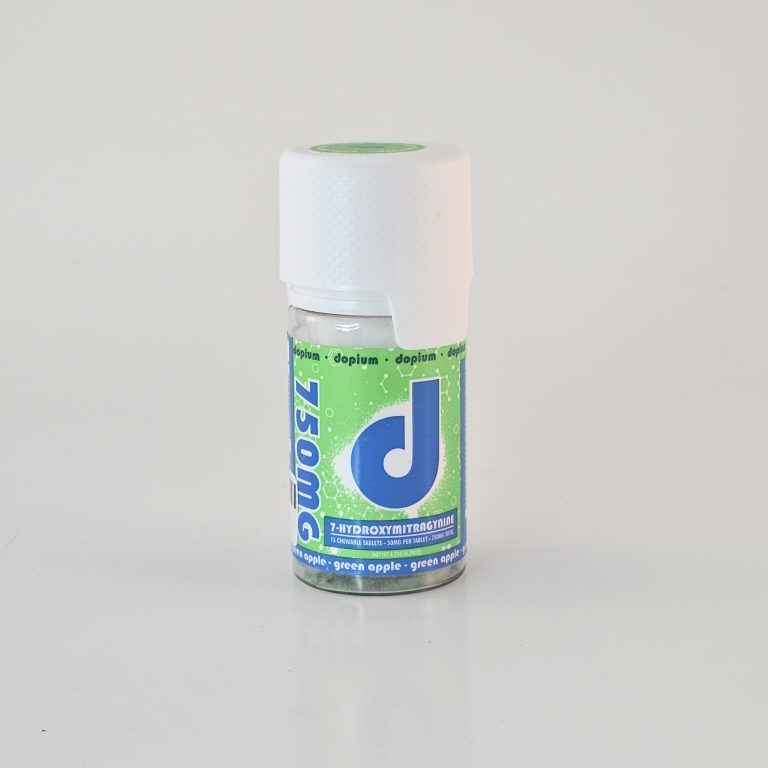
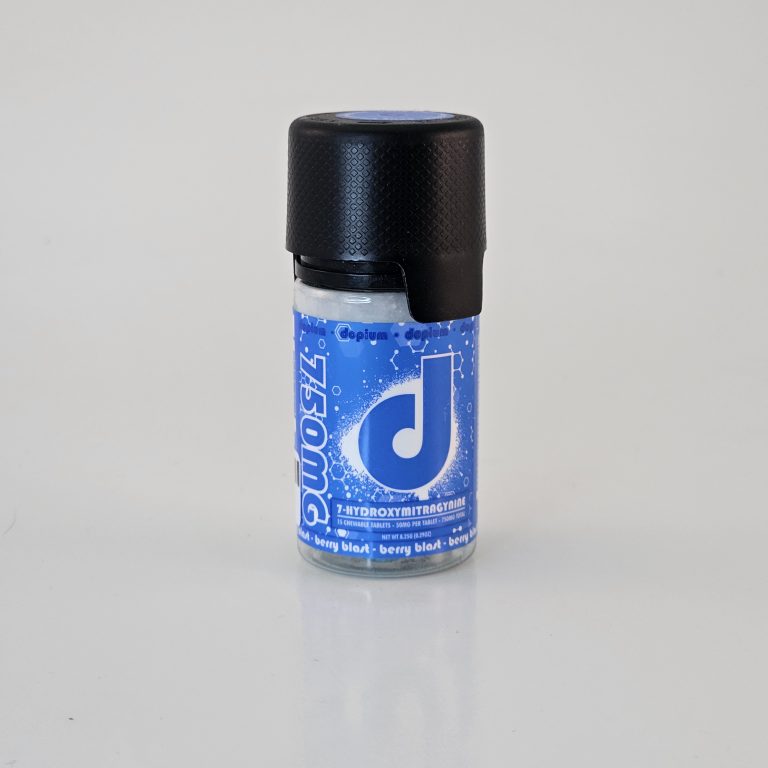
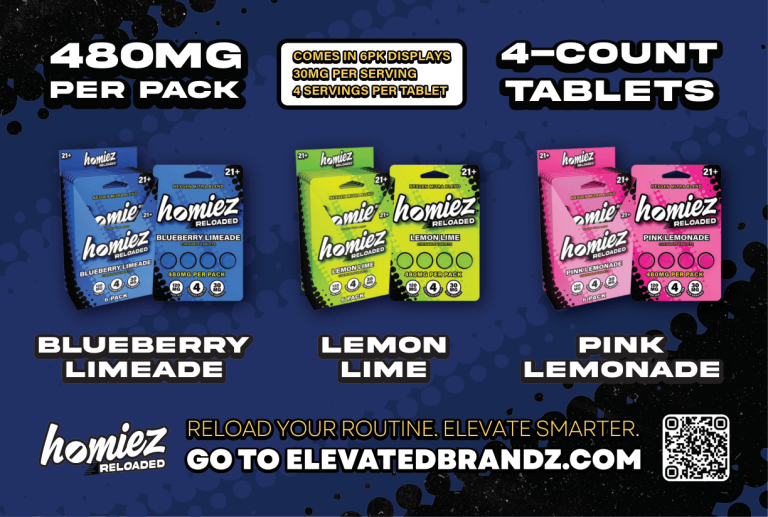
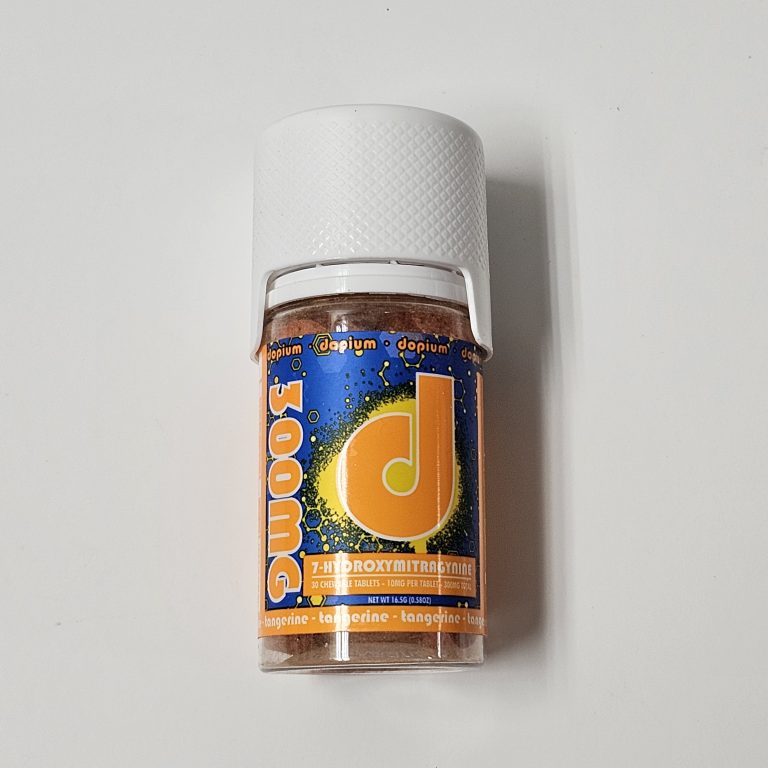
High-potency products: The rise of concentrated or semi-synthetic 7-OH products has raised new questions about whether extracts should be treated differently from raw leaf kratom.
The Policy Debate
Three main perspectives dominate:
- Prohibition advocates cite opioid-like effects and safety concerns.
- Regulation supporters argue oversight improves safety and reduces black-market risks.
- Research-first policymakers call for more clinical data before major legal changes.
Possible Next Steps
Potential outcomes include federal scheduling of 7-OH, a national regulatory framework, expanded state consumer protection laws, or targeted bans on synthetic products.
Ultimately, the debate reflects broader tensions between consumer freedom, public safety, and scientific uncertainty. Durable policy will likely depend on stronger research and clear regulatory standards.